Most homes don’t need fixing. They need fewer small frustrations. Not dramatic problems, just the things that technically work but make daily life harder than it should be. The hook that slips. The towel that’s still damp from yesterday. You adjust around them for so long that you stop noticing you’re adjusting.
None of these are urgent, which is exactly why they stay.
This reset is not about changing everything. It’s about noticing a few things that quietly cost effort, and deciding what to do about them. One day at a time, no pressure.
Day one: Start where you enter
Look at the place where you come in and out most often.
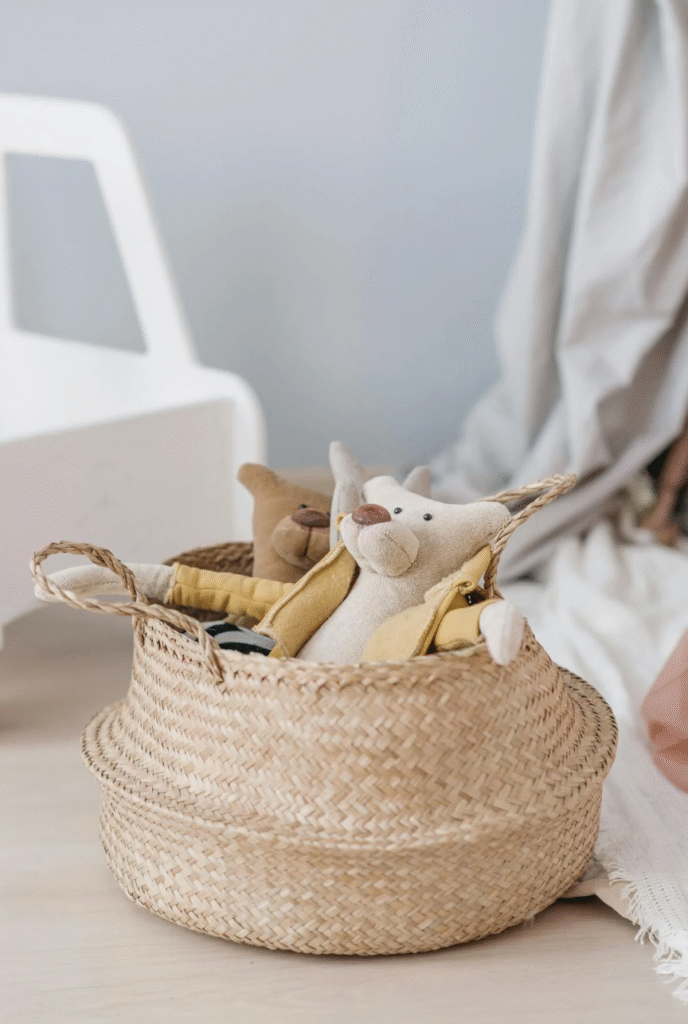
This space sets the tone for the rest of the home. When it’s cluttered or careless, that feeling travels further inside than we realise.
Remove anything that belongs to another season or another stage of life. The bags you never reach for, the accessories you keep meaning to sort. If you only do one thing, clear one surface or hook.
The goal isn’t emptiness. It’s making this space feel intentional enough that you don’t brace yourself when you walk in.
Day two: Clothes you actually live in
Today is about the clothes you wear on ordinary days. Not special pieces, not aspirational ones. The reliable things you put on without thinking.
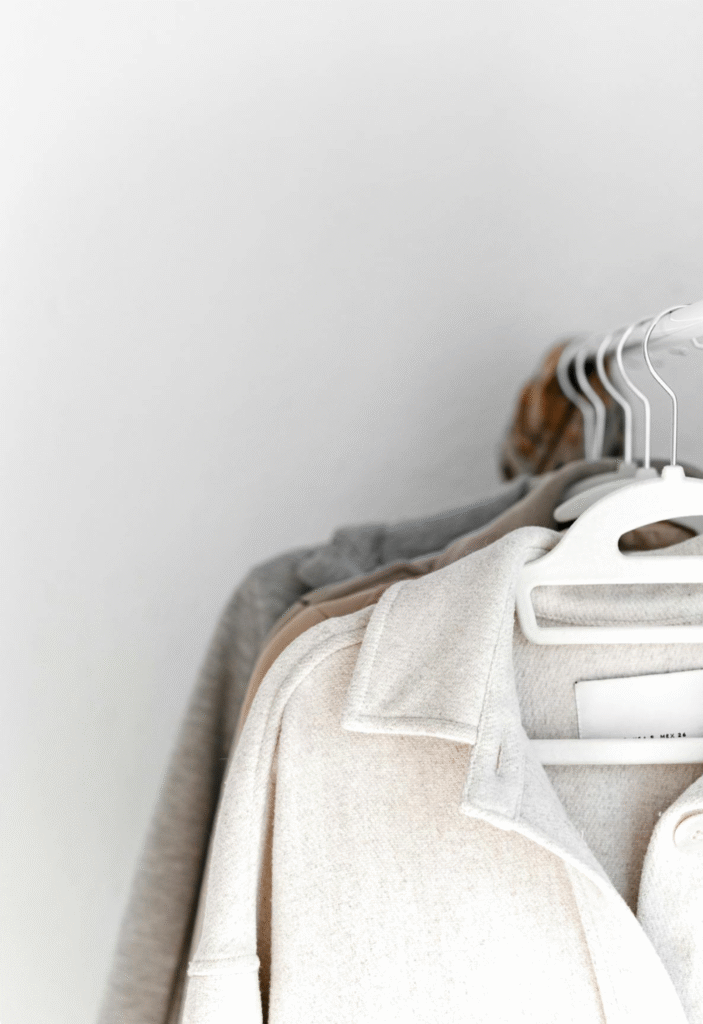
Notice items that scratch, sag, or never quite sit right. If you only do one thing, remove one item that no longer feels good to wear.
Pay attention to how your body responds. Some clothes disappear once they’re on. Others create low-level irritation you only notice when you take them off. That’s useful information.
Day three: The containers you avoid
Open the cupboard where food containers live.

You already know what’s in there: lids that don’t match anything, that one container you skip because it holds onto smells, the stack that falls over every time you reach for something at the back.
Remove anything incomplete or unpleasant to use. If you only do one thing, get rid of five obvious ones.
Most of us realise at this point that we don’t need many containers. We need a few that actually work. That realisation is enough for now.
Day four: Why wardrobes feel heavier than they are
Look at your hangers.
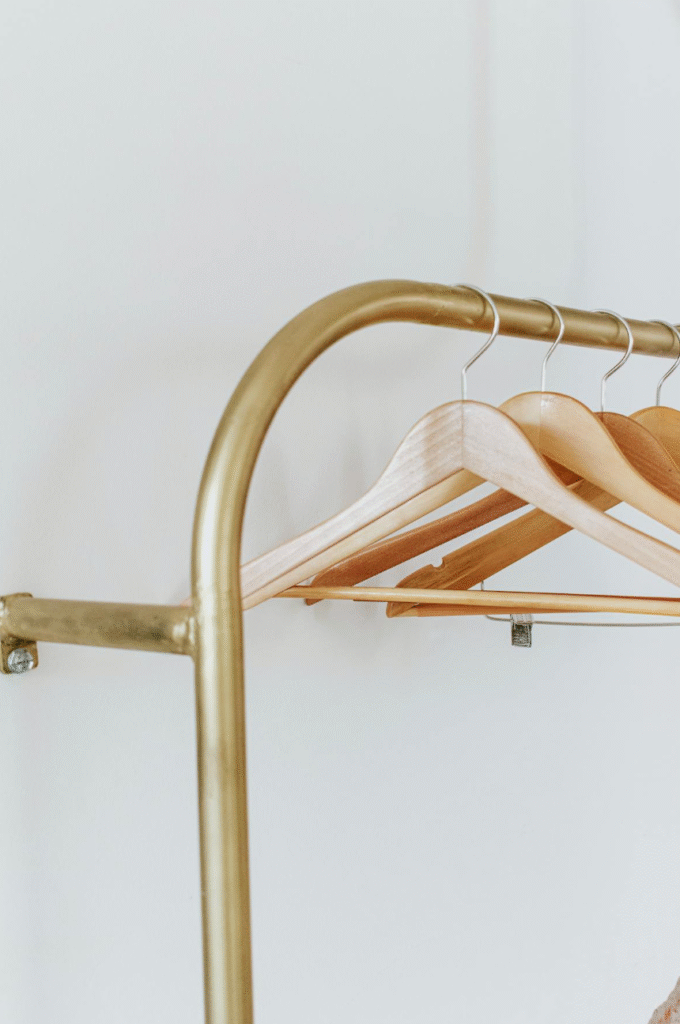
Broken ones, wire ones from the dry cleaner, plastic ones in six different colours. All of this adds visual noise, even when the wardrobe isn’t full.
If you only do one thing, remove the worst offenders. If you have more time, group one section using matching hangers. Just shirts or dresses is enough.
Notice how much easier it is to see what you own when everything hangs at the same level. Our brains relax around consistency, even when we’re not consciously looking.
Day five: What actually helps on difficult days
Today isn’t about objects. Not yet.
Write a short list titled: What helps when the day goes wrong. Real things, not aspirational ones. Hot water. Clean sheets. A familiar mug. That one chair. An early night without having to explain it to anyone.
If you only do one thing, write the list. If you have more energy, pick one item and do it today, on purpose.
At the bottom, add a line: Things that make comfort easier. You don’t need to fill it in. Just notice what comes to mind.
Day six: The drawer everyone postpones
Open the drawer where cables and chargers live.
Every home has one. Cords for devices you no longer own, chargers that fit nothing you currently use. Sort by type and let go of anything clearly past its usefulness.
If you only do one thing, remove what you’ll obviously never need again.
The aim isn’t a perfect drawer. It’s removing that small moment of irritation every time you open it looking for something.
Day seven: Closing small loops
End in the fridge.
Remove expired items, forgotten sauces, and anything that’s been “about to be used” for longer than you’d care to admit. If you only do one thing, clean one shelf or the door.
As you finish, notice how you feel. Some of us end this week content with less. Others notice a few things worth replacing, slowly and thoughtfully. Both responses are valid.
What this was really about
This was never about decluttering or buying. It was about paying attention.
When you start noticing small frictions, your standards shift on their own. You stop working around things that don’t really work. And when you do decide to replace something, you know exactly why.
That way of noticing doesn’t stop here. It just gets easier to recognise the next time it shows up.